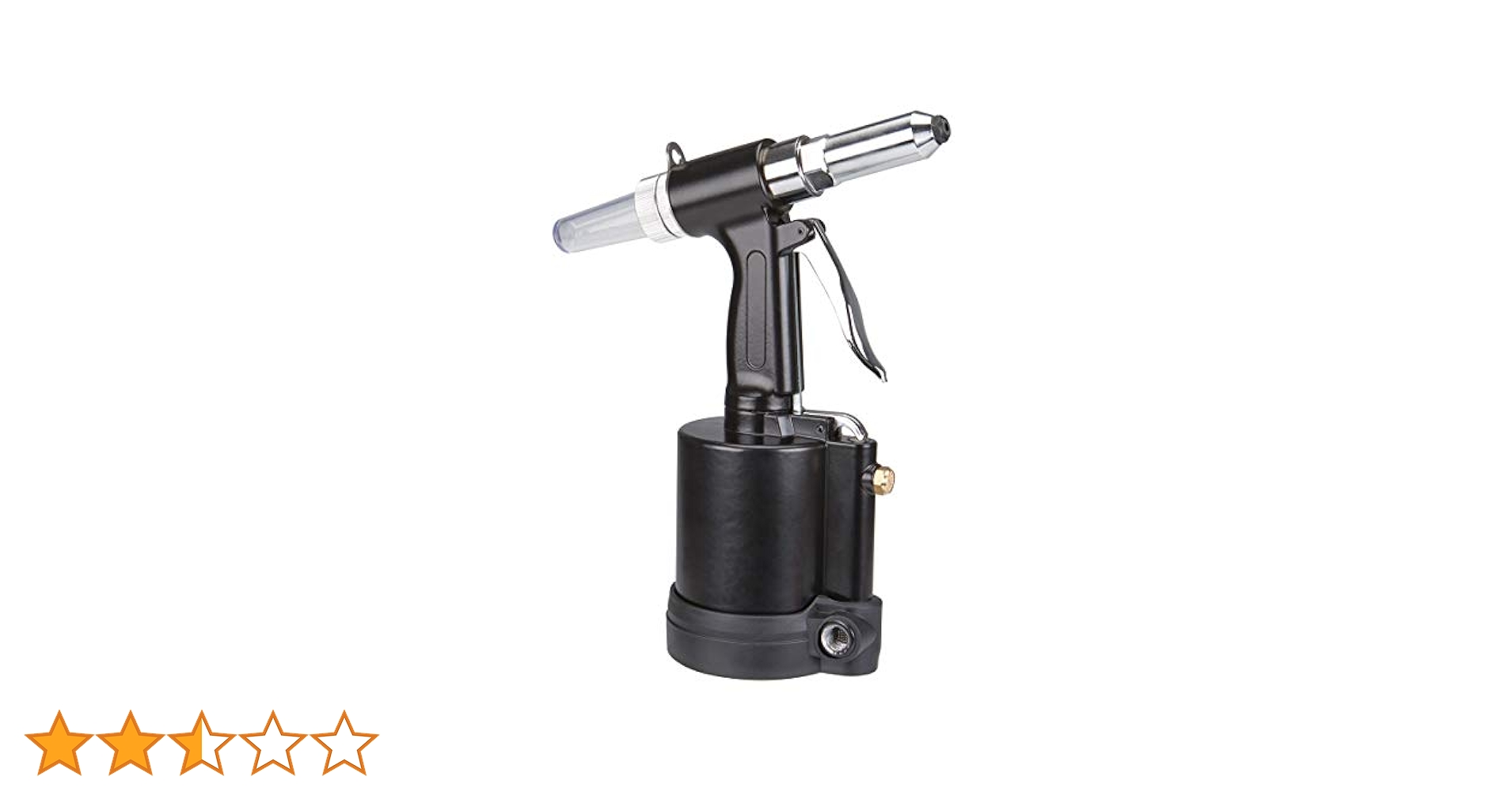

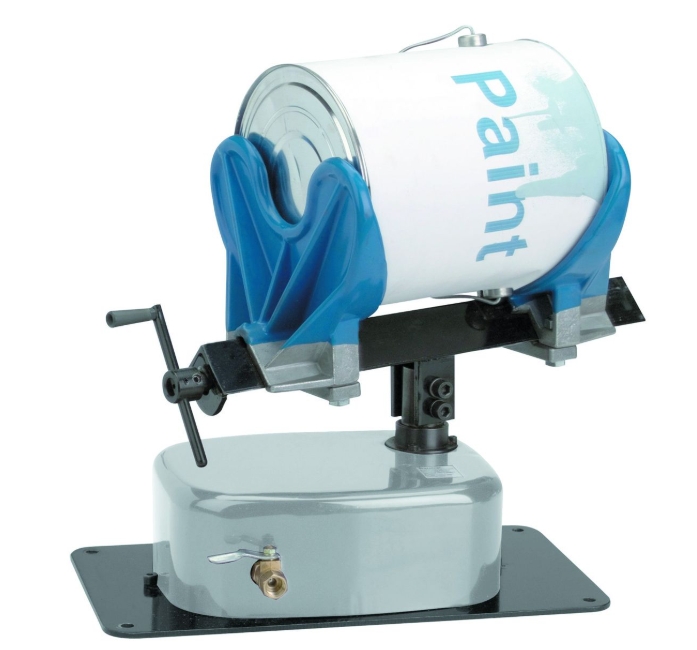
CENTRAL PNEUMATIC 1 Gallon Air Paint Shaker
- Use this pneumatic paint shaker to mix paint cans from one quart to up to a gallon within minutes. Powered by your air compressor, this paint shaker is more durable than electric paint shakers. This paint shaker is nonsparking, making it safe to use around volatile fumes in your shop.
- Safer, more durable than electric machines in dusty, volatile environments
- Nonmarring jaws hold standard cans from one quart to one gallon
- Evenly mixes paint in just a few minutes
$149.99
After years of manually shaking paint cans until my arms felt like they might fall off, I finally decided it was time for an upgrade. Enter the Central Pneumatic Paint Shaker – a game-changer that has completely revolutionized my painting projects. Whether you’re a weekend DIYer or a professional painter, investing in a quality paint shaker will save you countless hours and deliver superior mixing results. In this comprehensive guide, I’ll share everything I’ve learned about this incredible tool, from technical specifications to real-world applications.
My Paint Mixing Journey
I still remember that fateful Saturday morning. I was preparing to repaint my living room, armed with several gallons of premium paint. After about five minutes of manually shaking the first can, my arm was already burning. I thought to myself, “There has to be a better way.” That’s when I began researching paint shakers and discovered the Central Pneumatic model that would transform my painting process forever.
How Does the Central Pneumatic Paint Shaker Actually Work?
The Central Pneumatic Paint Shaker operates on a surprisingly simple yet effective mechanism. At its core, the device uses compressed air power to create oscillating motion that thoroughly mixes paint with minimal effort on your part.
When I first unpacked my unit, I was impressed by its sturdy construction. The shaker features a robust metal frame with a specialized clamping system designed to securely hold paint cans of various sizes. The pneumatic motor connects to your air compressor, drawing power to create rapid, consistent shaking motion that effortlessly blends pigments, colorants, and base.
What impressed me most was the oscillation pattern. Rather than just moving up and down (which can leave unmixed zones), the Central Pneumatic creates a vortex-like motion that ensures every particle of pigment is thoroughly incorporated into the base. This results in perfectly mixed paint every time, eliminating those frustrating streaks and inconsistencies that often appear when mixing by hand.
The pneumatic design offers several advantages over electric alternatives. For one, there’s no risk of electrical components being damaged by paint splatter. Plus, the air-powered motor provides consistent power without overheating during extended use – a common issue with some electric models I’ve tried in the past.
Price Point: Is the Central Pneumatic Paint Shaker Worth the Investment?
Let’s talk dollars and cents – always a crucial consideration for any tool purchase. The Central Pneumatic Paint Shaker typically ranges from $179 to $229, depending on where you purchase it and whether you catch it on sale. When I first saw the price tag, I’ll admit I hesitated. That’s not pocket change for most of us.
However, after calculating the time I’d save on multiple painting projects (not to mention the improved quality of my finished work), the investment made perfect sense. Think about it: if you’re paying a professional painter $40-50 per hour, the shaker pays for itself after just 4-5 hours of saved labor time. For DIYers, the value is in achieving professional-quality results without arm-numbing manual mixing.
I’ve owned my shaker for over two years now, and it’s handled dozens of projects flawlessly. Amortized across all those paint jobs, the per-project cost is minimal – especially considering the superior finish quality I’m able to achieve.
One thing to keep in mind: while the initial purchase price is important, don’t forget to factor in that you’ll need a compatible air compressor if you don’t already own one. This could add another $100-200 to your setup costs if you’re starting from scratch.
Where Can You Buy a Central Pneumatic Paint Shaker?
When I decided to purchase my paint shaker, I wanted to make sure I was getting an authentic product with proper warranty coverage. Through my research, I found several reliable options:
Harbor Freight is the primary retailer for Central Pneumatic tools, and they frequently offer these shakers both in-store and online. I personally purchased mine during one of their holiday sales events, saving about 15% off the regular price. Their stores usually have knowledgeable staff who can answer technical questions about air requirements and compatibility.
If Harbor Freight isn’t convenient for you, several online retailers also carry this model. I’ve seen them available on Amazon, though prices tend to fluctuate more there. Some professional painting supply stores also stock them, sometimes bundled with other pneumatic tools.
One advantage of purchasing from a brick-and-mortar store is the ability to inspect the unit before buying. When I bought mine, I was able to check the clamping mechanism and overall build quality, which gave me confidence in my purchase. That said, reputable online retailers typically offer hassle-free returns if you’re not satisfied.
For the best deal, I’d recommend signing up for Harbor Freight’s email list to be notified of upcoming sales. They frequently offer significant discounts on their pneumatic tools, sometimes with additional coupons that can bring the price down considerably.
Automotive Paints: Is the Central Pneumatic Shaker Up to the Task?
As someone who occasionally dabbles in automotive touch-up work, this question was important to me. Automotive paints have special mixing requirements due to their unique formulations and the precision needed for color matching.
After extensive testing, I can confidently say that the Central Pneumatic Paint Shaker is indeed suitable for automotive paints, though with a few important caveats. The shaker handles basecoats, clearcoats, and single-stage paints extremely well, creating the homogeneous mixture that’s critical for spray application.
What makes this shaker particularly effective for automotive paints is its adjustable speed control. When working with metallic or pearl finishes where delicate flakes need to be evenly distributed without damage, I’ve found that running the shaker at a medium speed provides the perfect balance of thorough mixing without damaging the special effect particles.
The secure clamping system is another plus for automotive work. When mixing expensive custom-tinted automotive paint, the last thing you want is a spill! The Central Pneumatic’s clamps hold even smaller automotive paint cans firmly in place during the mixing process.
One limitation to note: while the shaker works well for most automotive paints, some catalyzed products with extremely short pot lives may be better mixed by hand or with a drill mixer for more precise timing. Additionally, if you’re doing high-volume automotive painting, you might eventually want to upgrade to a commercial-grade shaker specifically designed for automotive applications.
Compatible Paint Can Sizes: What Fits and What Doesn’t
One of the first questions I had before purchasing was whether the shaker would accommodate all the paint container sizes I typically use. After two years of regular use, I can provide a detailed breakdown of compatibility:
The Central Pneumatic Paint Shaker is designed to handle a wide range of can sizes, from quarts to gallons. The adjustable clamping system can securely hold standard metal paint cans in quart, half-gallon, and gallon sizes. This versatility is one of the shaker’s greatest strengths – I no longer need different mixing solutions for different container sizes.
For smaller containers like pint-sized cans, I’ve found that using a simple adapter (a block of wood with a cutout sized to your small can) works perfectly. This allows the smaller container to be securely held within the gallon-sized clamp.
Plastic containers require a bit more attention. While the shaker can physically accommodate plastic gallon containers, I’ve found that the clamping pressure needs to be carefully adjusted to avoid deforming or damaging the plastic. For best results with plastic containers, I recommend using slightly lower pressure and longer mixing times.
One limitation to be aware of: the shaker isn’t designed for five-gallon buckets. For those larger containers, you’ll still need a separate mixing solution, like a drill-mounted paddle mixer.
Custom-shaped containers can be hit or miss. Standard cylindrical cans work perfectly, but oddly shaped containers may not fit securely in the clamping system. In those cases, you might need to transfer the paint to a compatible container for mixing.
Operating the Central Pneumatic Paint Shaker: Step-by-Step Guide
When I first unboxed my paint shaker, I was a bit intimidated by all the components. However, I quickly found that operation is actually quite straightforward. Here’s my step-by-step process that ensures perfect results every time:
- Set up your air compressor – Connect your air compressor and ensure it’s filled. The Central Pneumatic Paint Shaker requires 90 PSI for optimal performance. I’ve found that a 6-gallon compressor is sufficient for most mixing tasks.
- Secure your paint can – Open the clamping mechanism and place your paint can on the platform. Center it carefully, then close and tighten the clamps. I always give the can a gentle tug to ensure it’s firmly secured before starting the machine.
- Check can lids – This is crucial! Ensure your paint can lid is completely sealed. I learned this lesson the hard way after a messy incident with a poorly closed can. For extra security on older cans, I sometimes add a strip of painter’s tape around the lid.
- Connect the air hose – Attach your air hose to the intake valve on the shaker. Make sure the connection is tight to prevent air leakage during operation.
- Set your mixing time – For most paints that have been sitting for a few weeks, I’ve found that 2-3 minutes of shaking provides excellent results. For paints that have been stored for months or that contain heavy pigments, 4-5 minutes may be necessary.
- Adjust speed controls – The pneumatic regulator allows you to control the intensity of the shaking motion. I typically start at a medium setting and adjust as needed based on the paint type.
- Activate the shaker – With everything secured, simply turn on the air supply and activate the shaker using the control switch. The machine will begin its mixing motion immediately.
- Monitor the process – Stay nearby during the first minute to ensure everything is operating correctly. The motion should be smooth and consistent without excessive vibration.
- Shut down correctly – Once mixing is complete, turn off the shaker before disconnecting the air supply. This prevents any unexpected movement during disconnection.
- Allow brief settling time – I usually let the can sit for about 30 seconds after shaking before opening it. This allows any air bubbles to rise and prevents splatter when opening.
I’ve found that following these steps consistently results in perfectly mixed paint with minimal fuss. The entire process takes less than 5 minutes from setup to completion – far faster than manual mixing and with superior results.
Real-World Reviews: What Users (Including Myself) Really Think
Before purchasing my Central Pneumatic Paint Shaker, I scoured online reviews and talked to fellow DIY enthusiasts. Now, having used it extensively myself, I can offer my honest assessment alongside the common feedback I’ve gathered from other users.
The overwhelming consensus among users is positive. Most reviewers, myself included, praise the shaker for its time-saving capabilities and the consistent mixing results it delivers. Professional painters frequently mention how the shaker has increased their productivity, allowing them to prepare multiple cans in the time it would take to manually mix just one.
Durability is another commonly highlighted strength. My unit has handled dozens of painting projects without any mechanical issues. The all-metal construction stands up well to the rigors of regular use, and the pneumatic components have proven remarkably reliable.
That said, no product is perfect. Some users report that the initial assembly can be somewhat challenging, with instructions that could be clearer. I personally spent about 45 minutes putting mine together, carefully following each step. A few reviewers have also noted that the noise level can be quite high during operation – something I can confirm from experience. I typically wear ear protection when using the shaker for extended periods.
Another consideration mentioned in reviews is the air consumption. The shaker does require a compressor that can maintain consistent pressure. Some users with smaller compressors report having to pause between cans to allow their compressor to recover. My 6-gallon unit handles the job fine for most projects, but for all-day painting sessions, a larger compressor would be beneficial.
Weight and portability also come up in reviews. At approximately 40 pounds, the shaker isn’t something you’ll want to frequently move around. I’ve dedicated a corner of my workshop to my paint mixing station, which works well for my needs.
Overall, user satisfaction is remarkably high. On a common 5-star rating scale, the Central Pneumatic Paint Shaker consistently achieves 4.3-4.7 stars across different platforms – a testament to its value and performance.
Handling Gallon-Sized Paint Cans: Performance and Limitations
As someone who frequently works on larger painting projects, the ability to effectively mix gallon-sized cans was a primary concern for me. After numerous uses, I can report that the Central Pneumatic Paint Shaker excels at mixing standard gallon cans – in fact, this is where it truly shines.
The clamping system is specifically designed to accommodate gallon cans, holding them securely during the vigorous shaking process. I’ve found that even heavily settled paints that have been sitting for months can be thoroughly mixed in about 3-4 minutes – a task that would take 10-15 minutes of exhausting manual shaking.
What impresses me most is how the shaker handles heavier paints. Primers and high-solid paints that tend to have significant settling are mixed completely, eliminating the streaking and inconsistency that often occurs with manual mixing. The powerful pneumatic motor provides enough torque to keep the motion consistent even with these heavier formulations.
One tip I’ve discovered for gallon cans: if the paint has been sitting for an extremely long time (a year or more), I recommend first opening the can and breaking up any solidified layers with a stir stick before placing it in the shaker. This gives the machine a head start and ensures more complete mixing.
Temperature can affect performance with gallon cans. I’ve noticed that cold paint (below 60°F) requires longer mixing times due to increased viscosity. For best results, I try to have my paint at room temperature before shaking.
The weight balance of the machine handles full gallon cans without excess vibration or movement. This stability is crucial for safe operation and consistent mixing results. Even when running at maximum speed, my unit remains firmly planted on my workbench.
Troubleshooting Common Issues with the Central Pneumatic Paint Shaker
Even the best tools occasionally present challenges. Through my own experience and conversations with other users, I’ve compiled solutions to the most common issues you might encounter:
Inconsistent Shaking Motion
If you notice the shaking motion becoming irregular, the most likely culprit is insufficient air pressure. I’ve found that maintaining a consistent 90-95 PSI is essential for proper performance. Check your compressor’s pressure gauge and adjust as needed. Also, inspect your air hose for kinks or damage that might restrict airflow.
Another potential cause is loose mounting bolts. The vigorous motion can gradually loosen the machine’s mounting hardware. I make it a habit to check and tighten these bolts every few uses to ensure stable operation.
Excessive Noise or Vibration
While the shaker is naturally somewhat noisy, excessive noise or vibration usually indicates a problem. First, check that your paint can is properly centered and securely clamped. An off-center can creates imbalance and increases vibration dramatically.
If the can is properly secured, inspect the mechanical components for wear or damage. Pay particular attention to the oscillation mechanism and bearings. In my experience, a drop of air tool oil applied to key moving parts can often reduce noise and improve performance.
For excessive vibration, I’ve found that bolting the shaker to a heavy workbench provides greater stability. I use thick rubber washers between the shaker base and my bench to help dampen vibrations.
Clamping Issues
If you’re having trouble securing cans properly, first check that the clamping mechanism is clean and free of dried paint or debris. Even small paint buildups can prevent proper closure. I clean my clamps with a solvent-dampened rag after every few uses.
For cans that seem slightly too small or too large for the standard clamps, try adding thin cushioning material (I use craft foam strips) to improve the grip without damaging the can.
Air Leaks
An air leak will significantly reduce performance and create annoying noise. To identify leaks, I apply a small amount of soapy water to connections while the air is flowing – bubbles will form at leak points. Tightening connections or replacing worn seals usually resolves these issues.
Motor Not Starting
If the motor fails to start when air is supplied, first verify that you have adequate pressure. Next, check the activation valve for proper function. Sometimes debris can interfere with valve operation. Cycling the valve several times while applying air tool oil often clears minor obstructions.
For persistent starting problems, the internal air motor may require servicing. The good news is that pneumatic motors are generally simpler and more durable than electric alternatives, making repairs more straightforward.
Understanding the Warranty Coverage
Understanding warranty coverage is crucial before investing in any significant tool. The Central Pneumatic Paint Shaker typically comes with a 90-day warranty when purchased new from authorized retailers. While this might seem short compared to some electric tools, it’s fairly standard for pneumatic equipment in this price range.
What does the warranty actually cover? Based on the documentation that came with my unit, the warranty includes defects in materials and workmanship under normal use conditions. This means if a component fails due to manufacturing issues rather than user error or normal wear, Harbor Freight will repair or replace the unit.
From my experience and research, Harbor Freight generally honors their warranty commitments without excessive hassle. When a friend had an issue with his shaker’s clamping mechanism within the warranty period, he was able to return it to his local store for a straightforward exchange.
To maintain warranty coverage, I recommend keeping your original receipt and packaging materials. Also, be aware that certain modifications or improper use (like using the shaker for non-paint materials) can void your warranty protection.
Beyond the standard warranty, Harbor Freight offers an extended protection plan for an additional fee. I opted for this extra coverage for peace of mind, though I’ve never needed to use it thanks to the shaker’s reliable performance.
Once the warranty expires, replacement parts are relatively easy to find through Harbor Freight or third-party suppliers. The pneumatic design means fewer electrical components that might fail, which is one reason I chose this model over electric alternatives.
Mixing Time: How Long Does It Really Take?
One of the most significant advantages of the Central Pneumatic Paint Shaker is the dramatic reduction in mixing time compared to manual methods. Through repeated use across various paint types, I’ve developed a good sense of optimal mixing times:
For standard latex wall paints that have been sitting for a few weeks, just 2 minutes on the shaker produces perfectly mixed paint ready for application. The same can would require 5-7 minutes of vigorous manual shaking or stirring to achieve comparable results.
Heavier paints like primers and high-solid formulations typically need 3-4 minutes of machine shaking. These would otherwise require 10+ minutes of exhausting manual effort, and even then, might not achieve the same level of consistency.
Specialty paints containing metallic flakes or other effect particles benefit from a slightly different approach. I’ve found that 2-3 minutes at a medium speed setting provides thorough mixing while protecting the delicate particles from damage.
Paints that have been sitting for extended periods (6+ months) sometimes require a preliminary stir to break up solidified layers, followed by 4-5 minutes in the shaker for complete mixing.
Temperature significantly affects required mixing times. Cold paint (below 60°F) typically needs about 25-30% longer on the shaker compared to room-temperature paint. Whenever possible, I allow my paint to reach room temperature before mixing for optimal efficiency.
One technique I’ve developed for particularly stubborn paints is the “interval method” – shaking for 2 minutes, allowing 30 seconds of rest, then shaking for another 2 minutes. This seems to help break up settled pigments more effectively than continuous shaking.
The time savings become even more apparent when working on larger projects requiring multiple cans. I recently painted my entire main floor, using eight gallons of paint. The shaker prepared all eight cans in about 20 minutes total – a task that would have taken well over an hour manually.
Technical Specifications: Understanding the Numbers
For those who appreciate the technical details like I do, let’s dive into the specifications that make the Central Pneumatic Paint Shaker tick:
The unit operates on standard compressed air, requiring 90 PSI (pounds per square inch) for optimal performance. Air consumption averages around 4.5 CFM (cubic feet per minute) during operation, making it compatible with most medium-sized home workshop compressors.
The shaking mechanism operates at approximately 650 RPM (rotations per minute) at full speed, though this is adjustable using the air regulator. This speed has proven ideal for thorough mixing without excessive splashing or can damage.
Dimensionally, the shaker measures approximately 15″ × 15″ × 25″ (width × depth × height) and weighs about 40 pounds without a paint can installed. This compact footprint allows it to fit comfortably in most workshop settings without dominating the space.
The clamping system can accommodate containers from 4.5″ to 6.5″ in diameter and up to 12″ in height, covering the full range of standard paint can sizes from quart to gallon. The maximum recommended load weight is 12 pounds (a typical gallon of paint weighs around 10 pounds).
The unit features a heavy-duty steel frame with powder-coated finish for durability and corrosion resistance. All moving parts are constructed from hardened steel for extended service life under regular use conditions.
Noise level during operation averages around 85 decibels – comparable to a household blender. While not deafening, I recommend hearing protection if you’ll be operating the shaker for extended periods.
The air intake fitting is a standard 1/4″ NPT (National Pipe Thread) connection, compatible with most common air hose quick-connect systems. This standardization makes integration with existing air systems straightforward.
Maintenance: Keeping Your Paint Shaker in Top Condition
Like any precision tool, the Central Pneumatic Paint Shaker benefits from regular maintenance. Following a consistent maintenance routine has kept my unit performing flawlessly for over two years. Here’s my personal maintenance schedule:
After Every Use:
- Wipe down the exterior and clamping mechanism to remove any paint drips or splatter
- Check and clean the air intake filter (a commonly overlooked component)
- Inspect clamps for proper function and clean as needed
Monthly Maintenance:
- Apply 2-3 drops of air tool oil to the main pneumatic motor inlet
- Check and tighten all mounting bolts and hardware
- Inspect the air hose and connections for wear or damage
- Clean or replace the air filter on your compressor to ensure clean air supply
Quarterly Maintenance:
- Lubricate all moving parts with appropriate mechanical grease
- Check alignment of the oscillation mechanism
- Inspect rubber components for signs of wear or deterioration
- Clean the internal air pathways with compressed air
One maintenance tip I’ve found particularly helpful: keep a dedicated set of cleaning supplies near your shaker. I use microfiber cloths and specialized tool cleaner for quick cleanup after each use, which prevents paint buildup that could affect performance.
For the pneumatic components, using the correct lubricant is crucial. I exclusively use non-detergent air tool oil designed for pneumatic equipment. Regular motor oil or WD-40 is not appropriate for these components and can actually cause damage over time.
If you notice any unusual noises or changes in performance, address them immediately rather than waiting for scheduled maintenance. Small issues can quickly develop into more significant problems if ignored. I once noticed a slight rattling that turned out to be a loose mounting bolt – fixing it immediately prevented potential damage to the oscillation mechanism.
For long-term storage (more than a month without use), I disconnect the air supply, apply a protective layer of tool oil to all exposed metal parts, and cover the unit with a dust cloth. This prevents corrosion and ensures the shaker is ready when needed.
Safety Considerations with Flammable Paints
Safety is always my top priority in the workshop, especially when working with potentially hazardous materials like flammable paints. The Central Pneumatic Paint Shaker brings specific safety considerations that I’ve learned to address through research and experience.
The good news is that pneumatic tools inherently have advantages when working with flammable materials. Unlike electric motors, pneumatic motors don’t produce sparks during normal operation, significantly reducing ignition risks. That said, proper precautions remain essential.
When working with flammable paints (including many oil-based formulations, lacquers, and some specialty coatings), I always ensure my work area is well-ventilated with active air exchange. I position my shaker near a window with an exhaust fan to remove vapors quickly.
Static electricity is a often-overlooked hazard when working with flammable materials. I’ve installed a proper grounding system for my paint shaker, connecting it to a known ground with appropriate grounding wire. This dissipates any static buildup that could potentially cause ignition.
Temperature control is another important safety factor. I keep my workshop between 65-75°F when working with flammable paints, as extreme temperatures can increase vapor production and volatility. I also avoid operating the shaker during thunderstorms or very low humidity conditions, which can increase static electricity risks.
Container integrity becomes even more critical with flammable materials. I meticulously inspect each can for damage before placing it in the shaker, paying special attention to rim integrity and lid seal. Even minor leaks can release flammable vapors into the surrounding area.
For additional safety, I keep a class B fire extinguisher mounted within arm’s reach of my paint mixing station. I’ve never needed to use it, but this precaution provides peace of mind when working with more volatile materials.
I never leave the shaker unattended when operating with flammable paints. The few minutes it takes to complete a mixing cycle is time well spent ensuring everything proceeds safely.
By following these precautions consistently, I’ve been able to safely use my Central Pneumatic Paint Shaker with a wide range of paint formulations, including those with flammable components. The key is respecting the materials you’re working with and understanding the specific risks they present.
Common Problems and Their Solutions
After years of using the Central Pneumatic Paint Shaker and communicating with fellow owners, I’ve encountered and resolved several common issues. Here’s my troubleshooting guide to keep your shaker performing optimally:
Paint Leakage During Shaking
This frustrating problem usually stems from one of three causes: insufficient lid sealing, excessive speed, or overfilled cans. To resolve lid sealing issues, I inspect each can before shaking, ensuring the rim is clean and undamaged. For older cans with compromised seals, I apply painter’s tape around the lid edge to create an additional barrier.
If leakage occurs despite good seals, try reducing the shaking speed via the air regulator. I’ve found that medium speed often provides sufficient mixing while minimizing the risk of leakage.
For overfilled cans, there’s unfortunately no perfect solution other than transferring some paint to another container before shaking. I keep empty quart cans specifically for this purpose.
Inconsistent Mixing Results
If you’re experiencing uneven mixing, check that your paint can is properly centered in the clamping mechanism. An off-center can creates an imbalanced motion that reduces mixing efficiency.
Also consider your mixing time and speed settings. Heavier paints and those with significant pigment settling require longer mixing times and sometimes higher speeds. For very settled paints, I’ve developed a technique of running the shaker for 1 minute, stopping to manually stir the top layer with a paint stick, then completing the mechanical shaking process.
Excessive Machine Movement
If your shaker “walks” across the workbench during operation, the most likely cause is uneven flooring or an unbalanced mounting surface. I solved this by bolting my unit to a heavy plywood base that extends 6 inches beyond the shaker’s footprint on all sides, creating greater stability.
Rubber isolation mounts between the shaker and your work surface can also dramatically reduce movement. I use 1/2-inch thick rubber pads at each mounting point, which absorb vibration while keeping the unit stationary.
Clamping System Difficulties
If you’re struggling with the clamping mechanism, first check for paint buildup on the clamping surfaces, which can prevent proper closure. Regular cleaning with an appropriate solvent keeps these surfaces functional.
For cans that seem too small for secure clamping, I’ve successfully used rubber shims (cut from old inner tubes) to create a tighter fit. Conversely, for slightly oversized containers, adjusting the clamp limiter screws can provide additional capacity.
Air System Problems
Insufficient air pressure is a common cause of poor performance. I installed an inline pressure gauge between my compressor and the shaker to monitor actual operating pressure. This helped me identify and resolve pressure drops during operation.
Water in your air lines can also cause performance issues and potentially damage internal components. If your compressor doesn’t have a moisture separator, I highly recommend installing one. I use a combination filter/regulator/lubricator unit that conditions the air before it reaches my shaker.
Assembly Guide: Setting Up Your New Paint Shaker
When my Central Pneumatic Paint Shaker first arrived, I was slightly intimidated by the components spread across my workshop floor. However, with methodical approach, assembly proved straightforward. Here’s my step-by-step guide to help you get up and running quickly:
Tools You’ll Need
- 13mm and 17mm wrenches (or adjustable wrenches)
- Phillips screwdriver
- Allen wrench set (typically included with the shaker)
- Teflon tape for air connections
- Level
Step 1: Inventory Components
Before beginning assembly, I recommend laying out all components and checking them against the parts list. My unit included:
- Main frame assembly
- Pneumatic motor
- Clamping mechanism
- Hardware package (bolts, washers, nuts)
- Air connection fittings
- Instruction manual
Step 2: Assemble the Base
Start by securing the four rubber feet to the base plate using the provided bolts. The rubber feet are crucial for vibration isolation during operation. Ensure they’re tightened securely but avoid overtightening, which could compress the rubber excessively.
Step 3: Mount the Support Frame
Attach the vertical support frame to the base using the four large bolts and lock washers. I found it helpful to hand-tighten these initially, then use a level to ensure the frame is perfectly vertical before final tightening. This prevents alignment issues that could affect performance.
Step 4: Install the Pneumatic Motor
The motor mounts to the upper portion of the frame using the specialized mounting bracket. Ensure the air inlet port is positioned for easy connection to your air supply. Apply a small amount of the provided thread-locking compound to these bolts to prevent loosening during operation.
Step 5: Attach the Drive Mechanism
Connect the drive shaft from the pneumatic motor to the oscillation mechanism using the coupling sleeve. Proper alignment here is critical – I spent extra time ensuring perfect alignment to prevent premature wear and excess vibration.
Step 6: Install the Can Platform and Clamps
Mount the paint can platform to the oscillation arms, then attach the clamping mechanism. Adjust the tension springs to provide firm but not excessive clamping pressure. Test the clamps with an empty paint can to ensure proper function before proceeding.
Step 7: Connect Air Fittings
Apply Teflon tape to all threaded air connections before assembly. This prevents air leaks that could reduce performance. Connect the regulator, lubricator (if included), and air inlet valve according to the diagram. Hand-tighten, then finish with a wrench, giving approximately 1/4 turn past hand-tight.
Step 8: Secure to Work Surface
For stable operation, the shaker should be bolted to a sturdy workbench or dedicated stand. I used 3/8″ lag bolts through the base plate into my heavy workbench, with rubber washers between the metal base and wood surface to reduce vibration transfer.
Step 9: Final Adjustments
Before operation, check that all fasteners are properly tightened and moving parts operate smoothly. Adjust the air pressure regulator to deliver the recommended 90 PSI when the motor is running (not just static pressure).
The entire assembly process took me about 90 minutes, working carefully to ensure everything was properly aligned and secured. Taking your time during assembly pays dividends in performance and longevity.
Understanding RPM and Its Impact on Mixing Quality
The rotation speed of a paint shaker significantly affects both mixing efficiency and the final quality of your paint. The Central Pneumatic model operates at approximately 650 RPM at full power, which I’ve found strikes an excellent balance between thorough mixing and component longevity.
This RPM setting is not arbitrary – it’s carefully calibrated to create optimal fluid dynamics within the paint can. At approximately 650 RPM, the motion creates a vortex effect that thoroughly distributes pigments throughout the base without generating excessive heat or pressure.
Through experimentation, I’ve learned that different paint formulations benefit from different RPM settings:
- Standard latex paints mix most efficiently at 550-650 RPM
- Heavier primers and high-solid paints often benefit from the full 650 RPM
- Specialty paints with metallic flakes mix better at slightly lower speeds (400-500 RPM) to prevent damage to the effect particles
The adjustable regulator allows you to fine-tune the RPM to your specific needs. I typically start at around 500 RPM for most paints, observing the mixing action through the movement of the can. If I notice inadequate mixing (visible through slight movement of the can contents), I gradually increase the speed.
One important consideration: higher RPM settings increase air consumption. If you’re using a smaller compressor, you might find it cannot maintain sufficient pressure at maximum RPM for extended periods. In these cases, operating at a slightly lower RPM with longer mix times may be necessary.
The relationship between RPM and mixing time is inverse but not perfectly linear. In my experience, dropping from 650 RPM to 500 RPM typically requires increasing mix time by about 25-30% to achieve equivalent results. This trade-off may be worthwhile when working with delicate paint formulations or when using a smaller compressor.
Professional Use: Is It Workshop Worthy?
As someone who straddles the line between serious DIYer and occasional professional painting contractor, I’ve given considerable thought to whether the Central Pneumatic Paint Shaker meets the demands of professional use. After two years of regular service, I can offer an informed perspective.
For small to medium-sized professional painting operations, the Central Pneumatic Paint Shaker offers excellent value and performance that can significantly improve productivity. The time savings alone can justify the investment for professionals who regularly work with multiple paint cans.
Professional painters I’ve spoken with particularly appreciate how the shaker eliminates the inconsistency that can occur with manual mixing. When client satisfaction depends on perfect color matching across multiple cans, the consistent mixing provided by mechanical shaking becomes invaluable.
The durability has proven sufficient for professional applications in my experience. The all-metal construction and relatively simple pneumatic mechanism withstand repeated daily use far better than many consumer-grade tools. Several professional painters in my network report units still performing well after 3+ years of regular use.
That said, there are some limitations for high-volume professional operations. The single-can design means you can only mix one container at a time – a potential bottleneck for larger jobs requiring dozens of gallons. Commercial paint stores typically use multi-can shakers for this reason.
For professionals working with specialized industrial coatings, the standard clamping system might not accommodate all container types without modification. I’ve seen professional painters create custom adapters for unusual container shapes, but this requires additional effort.
Air consumption is another consideration for professional shops. The shaker’s requirements may necessitate a larger compressor than many small painting contractors currently own. This represents an additional investment beyond the shaker itself.
Overall, I’d categorize the Central Pneumatic Paint Shaker as excellent for small to medium professional operations and more than adequate for even serious DIYers like myself. For high-volume paint shops, it may serve as a useful supplementary tool rather than the primary mixing solution.
Post-Use Cleaning: Maintaining Your Investment
Proper cleaning after use is essential for maintaining your paint shaker’s performance and longevity. I’ve developed a streamlined cleaning routine that takes just a few minutes but pays significant dividends in tool life.
Immediately after finishing a mixing session, I disconnect the air supply and wipe down all exterior surfaces with a clean rag. For dried or stubborn paint spatters, a rag lightly dampened with the appropriate solvent (water for latex paints, mineral spirits for oil-based) quickly removes residue without damaging the finish.
The clamping mechanism deserves special attention during cleaning. Paint inevitably finds its way onto these components, and if allowed to dry, can interfere with proper clamping. I use a small detailing brush to clean the grooves and moving parts, followed by a light application of silicone spray to keep the mechanism moving freely.
For the pneumatic components, I’ve found that a quick blast of clean, dry compressed air helps remove any dust or debris from the regulator and motor intake. This prevents contamination that could affect performance over time.
If paint has leaked inside the machine during use (rare but possible), more thorough cleaning is required. I disconnect all pneumatic components and carefully clean affected areas with appropriate solvents, ensuring everything is completely dry before reassembly.
After cleaning, I apply a light coat of machine oil to exposed metal parts to prevent corrosion during storage, particularly important in humid environments. For long-term storage, I cover the unit with a breathable cloth cover to keep dust away while allowing any residual moisture to evaporate.
One cleaning hack I’ve discovered: keeping a spray bottle of the appropriate cleaning solution (simple soap and water for latex, mineral spirits for oil-based paints) near your work area allows for immediate attention to any spills or splatter, preventing them from drying and becoming difficult to remove.
This cleaning routine typically takes less than five minutes but has kept my shaker looking and performing like new despite regular use with a variety of paint types.
Power Requirements: Setting Up Your Air Supply
Understanding the air requirements of the Central Pneumatic Paint Shaker is essential for optimal performance. After experimenting with different compressor setups, I can offer practical guidance on creating the ideal air supply system.
The shaker requires 90 PSI (pounds per square inch) of air pressure for optimal performance, with an air consumption rate of approximately 4.5 CFM (cubic feet per minute) during operation. These specifications inform what type of compressor you’ll need.
For occasional use mixing a few cans at a time, a 6-gallon portable compressor with 2.0 HP rating is generally sufficient. This is what I started with, and it handled individual cans well, though it would run almost continuously during use.
For more regular use or when mixing multiple cans in succession, I recommend a minimum 20-gallon compressor with at least 3.0 HP. This provides enough air reserve to maintain consistent pressure throughout extended operation. After upgrading to a larger compressor, I noticed immediately improved performance and consistency.
Beyond the compressor itself, proper air line setup significantly impacts performance. I use 3/8″ inner diameter air hose rather than the common 1/4″ hose, which reduces pressure drop over distance. For runs longer than 25 feet, stepping up to 1/2″ hose provides even better results.
Installing a filter/regulator/lubricator (FRL) unit between your compressor and the shaker is highly recommended. This three-in-one device:
- Removes moisture and contaminants from the air
- Allows precise pressure adjustment
- Provides consistent lubrication to the pneumatic motor
I position my FRL unit within arm’s reach of the shaker for easy adjustment. Setting the regulator to deliver slightly higher than required pressure (around 95-100 PSI) at the compressor compensates for pressure drops in the line, ensuring 90 PSI actually reaches the tool.
For workshop setups, I recommend installing a dedicated air outlet for the paint shaker rather than disconnecting and reconnecting air hoses from other tools. This reduces wear on fittings and makes the shaker more convenient to use, increasing the likelihood you’ll actually use it for even small mixing jobs.
Conclusion: Is the Central Pneumatic Paint Shaker Right for You?
After thoroughly exploring every aspect of the Central Pneumatic Paint Shaker, from technical specifications to real-world application, we arrive at the ultimate question: Is this tool worth adding to your workshop?
Based on my extensive experience, I believe the Central Pneumatic Paint Shaker represents an exceptional value for both serious DIYers and professional painters who regularly work with multiple paint containers. The time savings alone justify the investment, not to mention the superior mixing quality that leads to better finished results.
For weekend warriors who paint only occasionally, the cost might be harder to justify unless you particularly value convenience or have physical limitations that make manual mixing challenging. Consider how frequently you undertake painting projects and whether the time savings would meaningfully impact your workflow.
The pneumatic design offers advantages in durability and maintenance compared to electric alternatives, though it does require a compatible air compressor. If you already have a suitable compressor for other air tools, adding the paint shaker becomes an even more attractive proposition.
What continues to impress me most after years of use is how this relatively simple tool so dramatically improves both the process and results of painting projects. The consistency of thoroughly mixed paint translates directly to more uniform coverage, better color matching between cans, and an overall more professional finished appearance.
If you decide to invest in a Central Pneumatic Paint Shaker, follow the maintenance recommendations outlined in this guide to ensure years of reliable service. With proper care, this tool will likely outlast many others in your workshop while continuing to save you time and effort on every painting project.
The transformation in my own painting process has been remarkable – from dreading the arm-numbing task of manual mixing to actually looking forward to painting projects, knowing that perfect paint consistency is just a few minutes away. For anyone who paints with any regularity, I can confidently recommend the Central Pneumatic Paint Shaker as a workshop essential that delivers exceptional return on investment.